How to Pair Spices for Maximum Flavor
Unlocking the secrets of spice pairing can transform simple dishes into extraordinary culinary experiences. Pairing spices correctly is an essential skill that enhances flavors, adds depth, and brings balance to your meals. Whether you’re an aspiring home cook or a seasoned chef, understanding spice synergy opens new doors to creativity in the kitchen. This guide will introduce you to foundational techniques, strategies for balancing flavors, and practical tips to boost your results.
Understand Spice Flavor Profiles
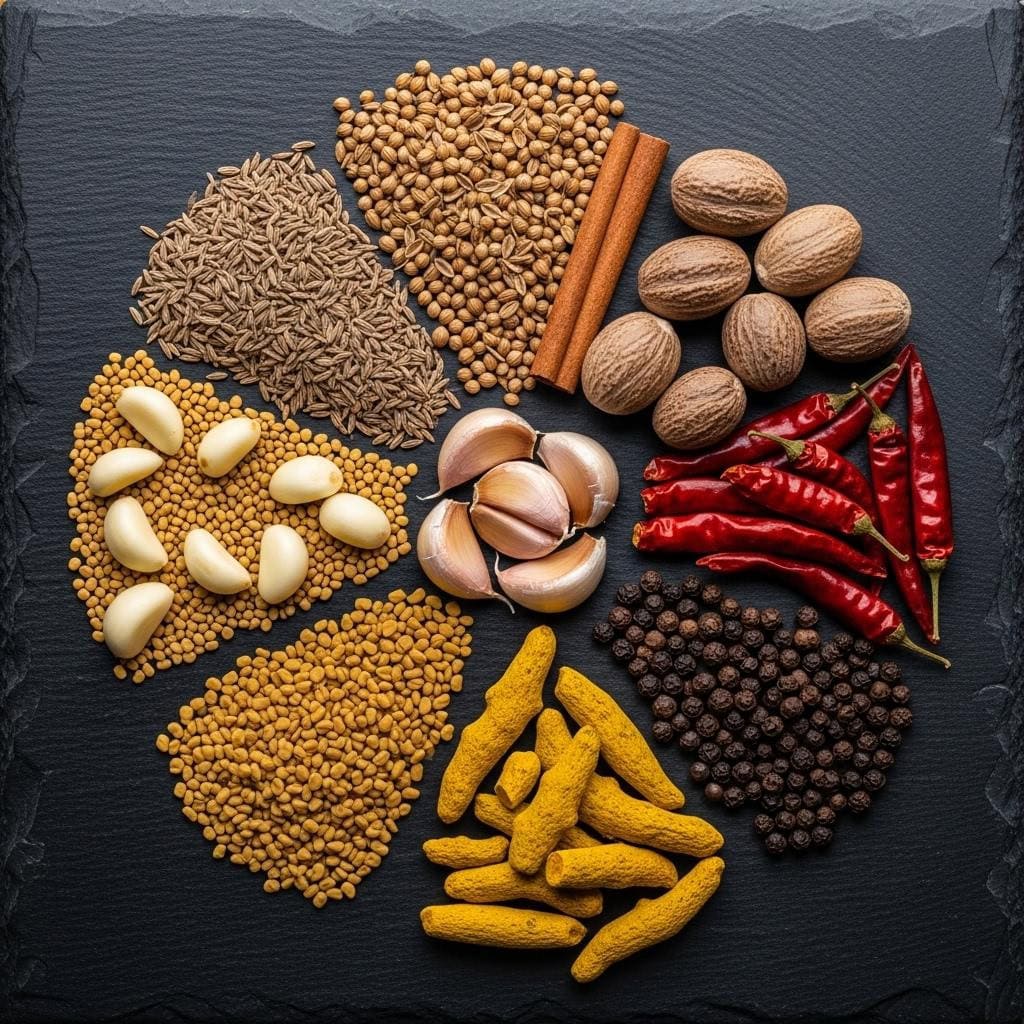
Before pairing spices, it’s essential to recognize their distinct flavor profiles: earthy (cumin, coriander), sweet (cinnamon, nutmeg), pungent (mustard, garlic), bitter (fenugreek, turmeric), and hot (chili, black pepper). Recognizing these basic categories helps you combine spices that complement or balance each other, preventing overpowering flavors and creating depth. Mastery of these profiles allows for more intentional and creative seasoning in every dish. To explore detailed spice profiles, check out The Spruce Eats: Common Spices and Their Flavor Profiles.
Explore Regional Spice Combinations
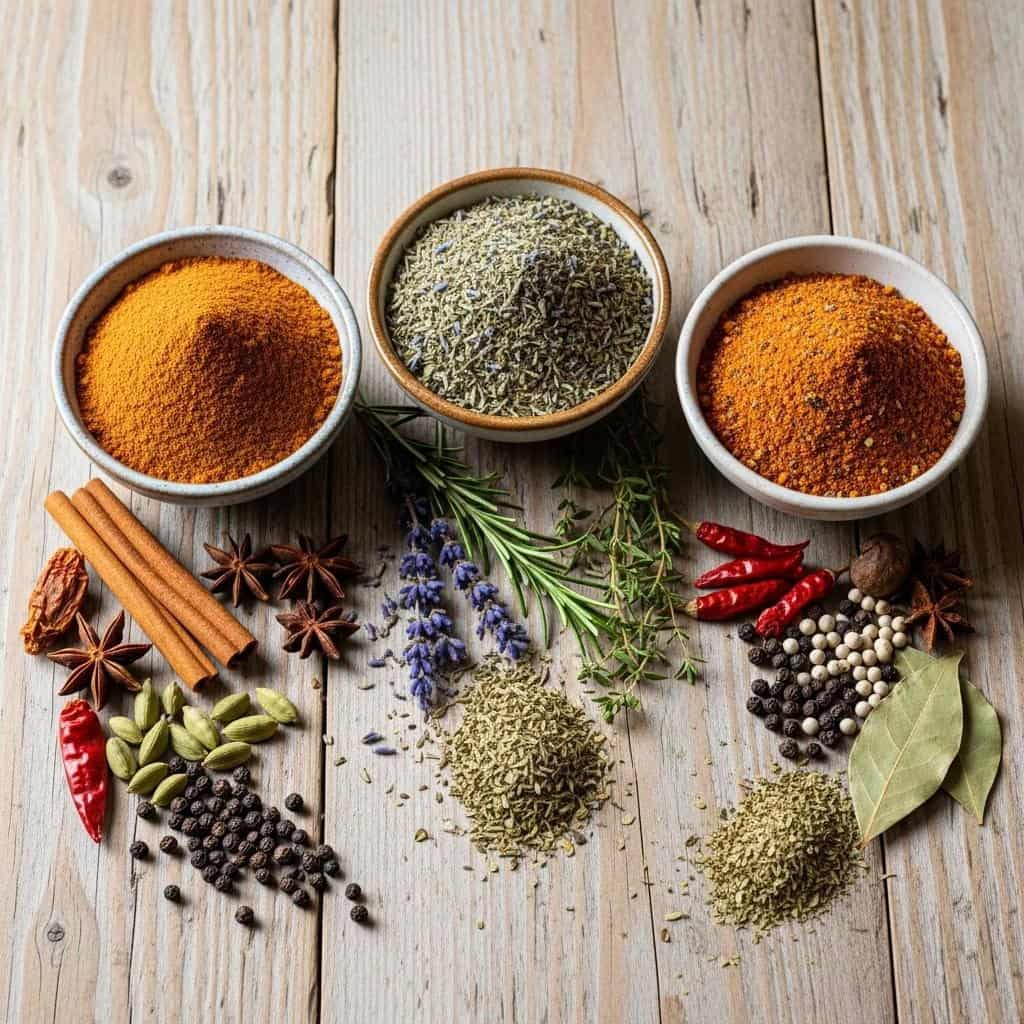
Many world cuisines are defined by their signature spice blends, such as garam masala from India, herbes de Provence from France, and Cajun seasoning from the Southern United States. Exploring these traditional combinations introduces you to time-tested pairings that create authentic, layered flavors in your cooking. Experimenting with these blends not only broadens your palate but also helps you understand which spices work well together. For more on global spice blends, visit Bon Appétit: Spice Blends Around the World.
Balance Flavors with Supporting Spices
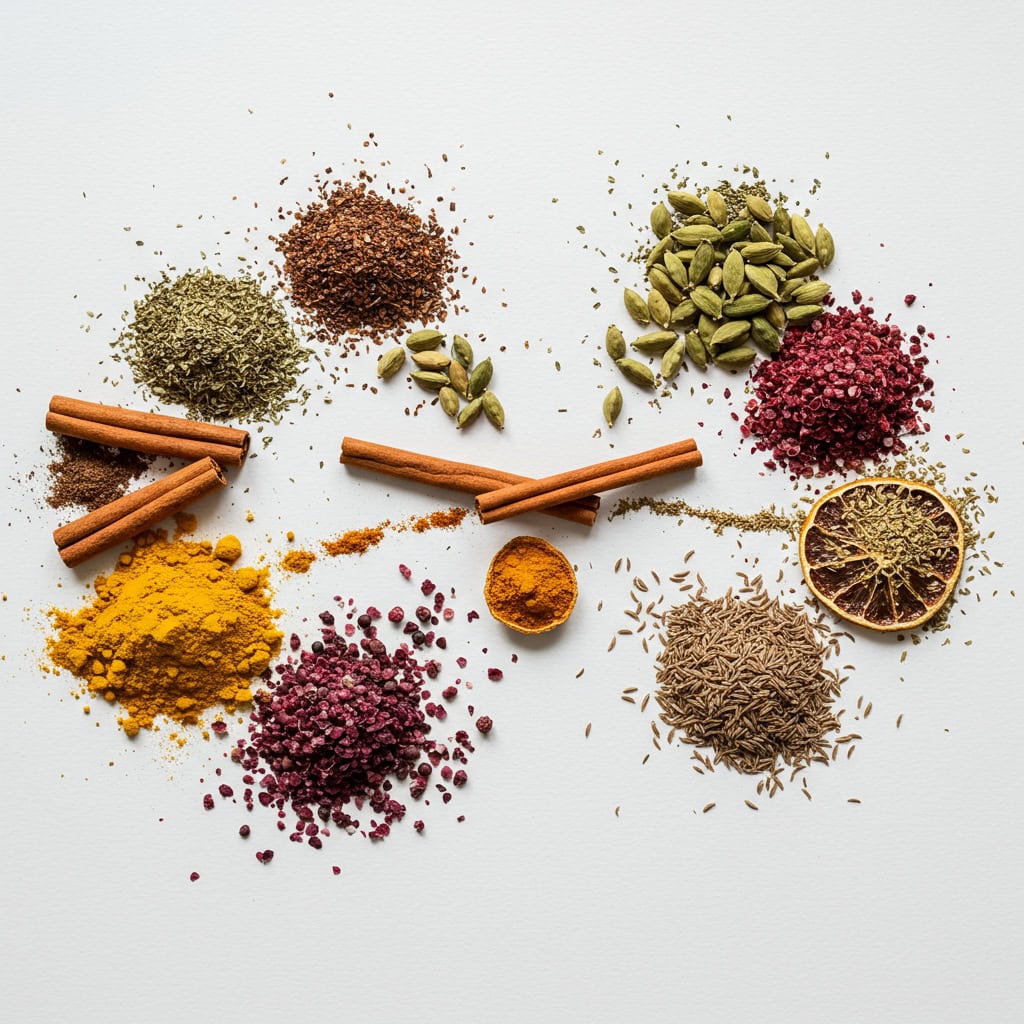
Achieving a harmonious dish often relies on balancing primary spices with supporting ones. Sweet spices like cinnamon or cardamom can mellow the intensity of hot spices, while tangy spices such as sumac or dried lime add brightness and lift flavors. Earthy spices like cumin or coriander provide depth and anchor bold tastes. Try combining these elements thoughtfully to create a well-rounded profile in your dishes. For more practical advice on balancing spice flavors, visit MasterClass: How to Blend Spices.
Start with Small Batches and Taste Often
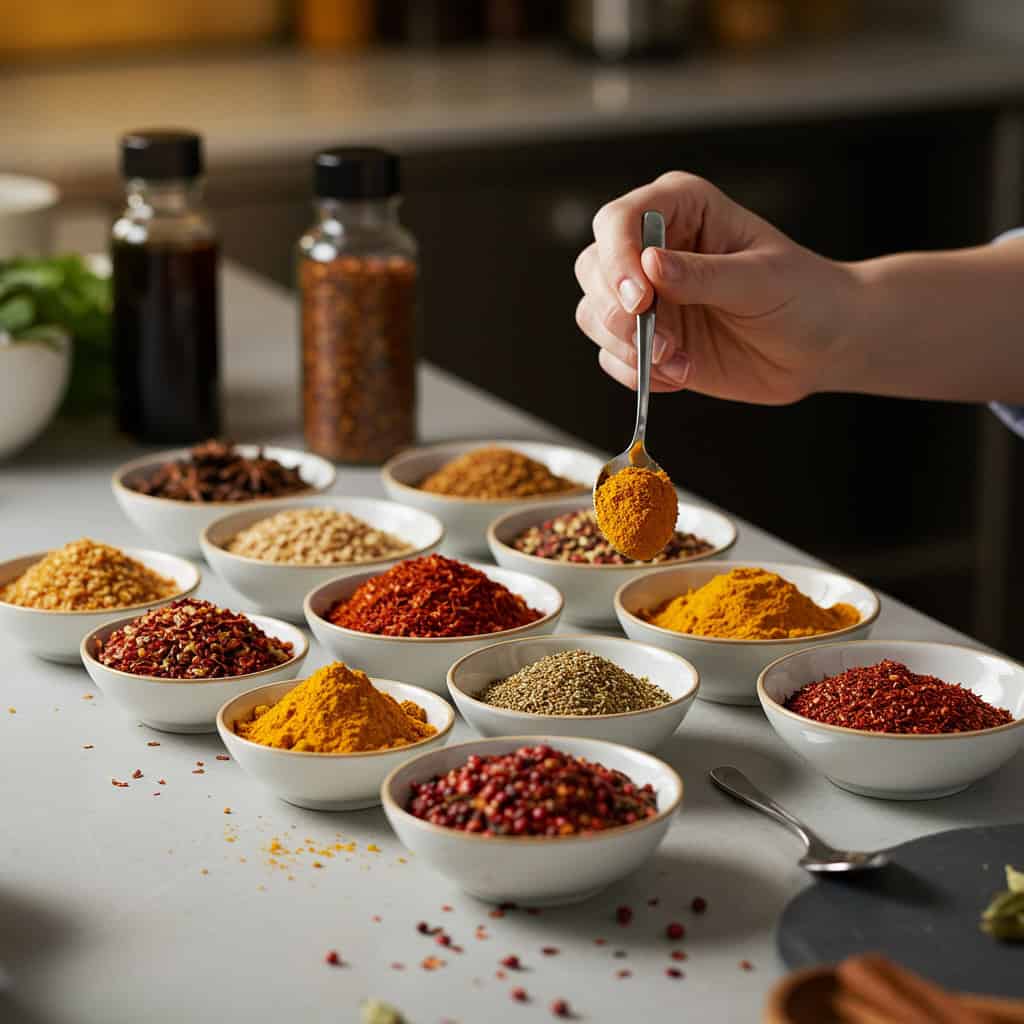
When experimenting with new spice combinations, always begin with small batches and taste as you build flavor. This approach allows you to adjust proportions gradually, preventing any one spice from dominating the dish. By tasting frequently, you gain control over the final result and can make subtle tweaks for balance and harmony. It’s a simple yet powerful way to refine your seasoning skills and avoid waste. For more guidance on adjusting spices and building flavor, check out The Kitchn: How to Blend Your Own Spices.
Pair Spices with Ingredients and Cooking Methods
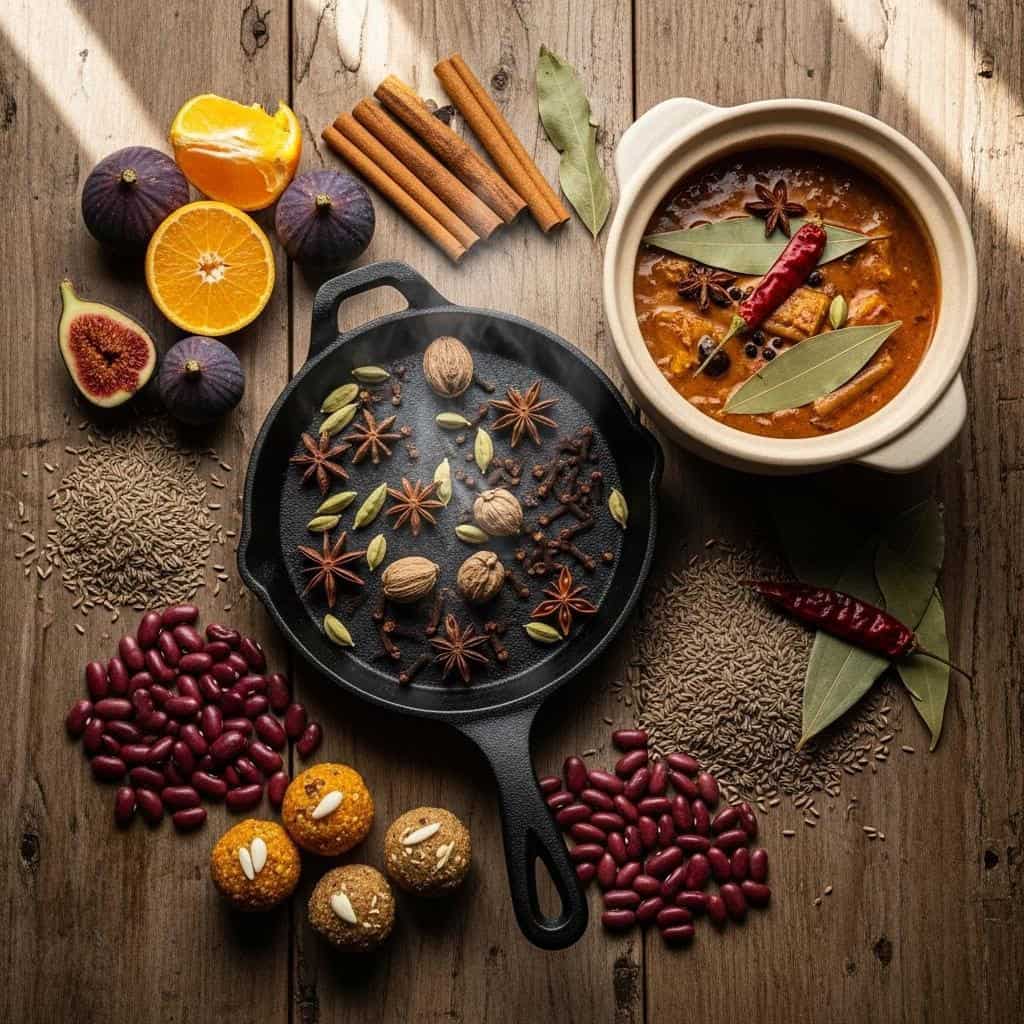
Understanding how spices interact with different ingredients and cooking techniques is key to maximizing flavor. For example, cumin pairs beautifully with beans, while cinnamon enhances fruits and desserts. Cooking methods also play a role: roasting or toasting spices deepens their aroma, while simmering gently blends flavors into sauces or stews. Experiment with these pairings and techniques to create meals with greater complexity and depth. For inspiration on combining spices with ingredients and methods, visit BBC Good Food: Best Spices for Cooking.
Conclusion

Mastering the art of spice pairing involves understanding flavor profiles, embracing global combinations, balancing supporting spices, tasting as you go, and matching spices to ingredients and cooking methods. By following these essential steps, you can elevate everyday dishes and unlock new possibilities in your kitchen. Experimentation and practice are key—trust your palate and don’t be afraid to try new blends. The world of spices offers endless opportunities for creativity and flavor discovery.